
Dr. Raju's Allergy Centre &
Multispeciality Hospital

Urticaria (Hives)
Best Urticaria (Hives) Treatment in Hyderabad at Dr. Raju's Allergy Centre & Multispeciality Hospital
What is Urticaria (Hives)?
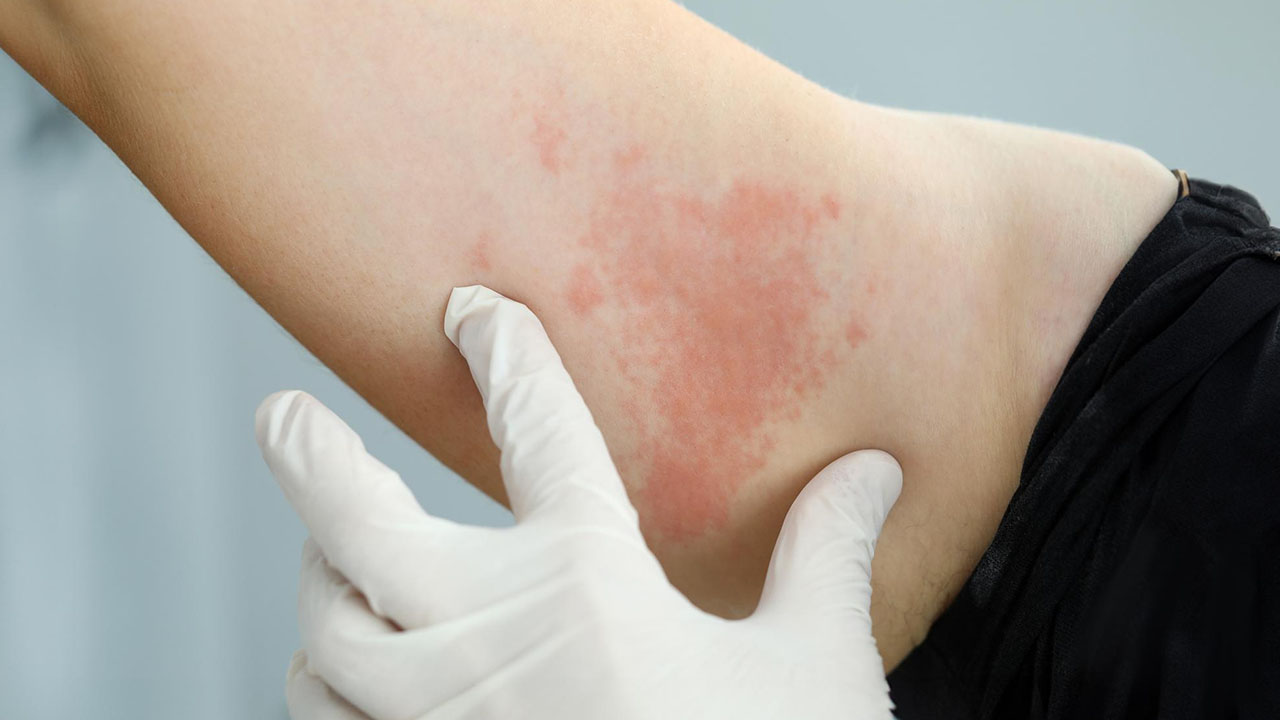
Urticaria, commonly known as hives, is a skin condition characterised by the sudden appearance of raised, red, or skin-coloured welts (wheals) that are intensely itchy. These welts vary in size from small dots to large patches several inches in diameter and can appear anywhere on the body. Individual hives typically last for a few hours to 24 hours, with new lesions appearing as old ones fade.
Urticaria occurs when certain cells in the skin called mast cells release histamine and other chemicals into the bloodstream. This release causes tiny blood vessels to leak fluid, leading to swelling in the dermis and the formation of visible welts. The condition can be acute (lasting less than six weeks) or chronic (persisting beyond six weeks, sometimes for months or years).
While urticaria is often allergic in nature, many cases, particularly chronic urticaria, may have no identifiable external trigger and are considered idiopathic. The condition is not contagious and, in most cases, is not life-threatening, though it can significantly impact quality of life due to persistent itching and cosmetic concerns.
Common Symptoms & How to Recognise Urticaria
Urticaria has distinctive features that make it relatively easy to recognise:
- Raised Welts (Wheals): Red or skin-coloured, swollen bumps that appear suddenly on the skin
- Intense Itching: Often severe, sometimes burning or stinging sensation
- Variable Size and Shape: Lesions can be small dots, large patches, or rings; they may merge together to form giant hives
- Blanching: When pressed in the centre, the welt turns white (blanches)
- Short Duration: Individual lesions typically resolve within 24 hours without leaving any marks or bruising
- Migratory Pattern: New hives appear in different locations as old ones fade
- Angioedema: In some cases, deeper swelling occurs in the lips, eyelids, hands, feet, or genitals (angioedema), which may be painful rather than itchy
Associated Symptoms:
- Mild discomfort or warmth in affected areas
- Generalised itching without visible rash (in some cases)
- With angioedema: swelling, sometimes with pain, redness, and warmth
Types of Urticaria
Based on Duration:
- Acute Urticaria: Lasts less than six weeks. Often caused by allergic reactions to foods, medications, insect stings, or infections. Common in children and young adults
- Chronic Urticaria: Persists beyond six weeks. More common in adults, especially women. Often no specific trigger is identified (chronic spontaneous urticaria)
Based on Triggers:
- Physical Urticaria: Triggered by physical stimuli – dermatographism (hives after scratching), cold urticaria, cholinergic urticaria (heat/exercise), pressure urticaria, solar urticaria, aquagenic urticaria (water contact, rare)
- Contact Urticaria: Triggered by direct skin contact with allergens (latex, certain foods, animal saliva)
- Chronic Spontaneous Urticaria: No identifiable external trigger; may have autoimmune basis
How is Urticaria Diagnosed?
Diagnosis of urticaria begins with a thorough clinical evaluation:
- Medical History Review: Detailed discussion about onset, duration, pattern of symptoms, potential triggers (foods, medications, infections, physical stimuli), and personal or family history of allergies or autoimmune conditions
- Physical Examination: Careful examination of skin lesions to confirm characteristic features of urticaria
- Trigger Identification: Based on history, specific triggers may be suspected and investigated
- Allergy Testing: Skin prick tests or specific IgE blood tests may be recommended if allergic triggers are suspected (foods, latex, medications)
- Physical Stimulus Testing: For physical urticarias, specific provocation tests may be performed (ice cube test for cold urticaria, exercise challenge for cholinergic urticaria)
- Blood Tests: In chronic cases, tests may include complete blood count, thyroid function tests, and autoimmune markers to rule out underlying conditions
- Skin Biopsy (rarely needed): In atypical cases, to rule out other conditions like urticarial vasculitis (where lesions last longer than 24 hours and leave bruising)
Why Choose Dr. Raju's Allergy Centre for Urticaria Treatment?
With over 18 years of specialised experience in allergy care, Dr. Raju CH provides comprehensive, patient-centred management for urticaria. Here's why patients trust us:
- Specialised Expertise: Deep understanding of the complex mechanisms behind urticaria, including allergic, physical, and autoimmune triggers
- Comprehensive Diagnostics: Advanced allergy testing and specialised investigations to identify triggers and guide treatment
- Personalised Treatment Plans: Customised approaches based on the specific type of urticaria, severity, and individual patient factors
- Chronic Urticaria Management: Expertise in managing chronic cases that have failed to respond to standard treatments elsewhere
- Holistic Care: Addressing associated conditions like thyroid disorders or autoimmune diseases that may underlie chronic urticaria
- Patient Education: Empowering patients with knowledge about trigger avoidance, treatment expectations, and when to seek emergency care (especially with angioedema)
- Long-Term Support: Regular follow-up and treatment adjustments to achieve optimal control and improve quality of life
Treatment Options Available
Treatment for urticaria aims to relieve symptoms, suppress mast cell mediator release, and improve quality of life. Our comprehensive approach includes:
1. Trigger Identification and Avoidance
- Allergen Avoidance: Practical guidance on avoiding identified triggers such as foods, medications, or environmental allergens
- Physical Trigger Management: For physical urticarias, strategies to avoid or minimise exposure to triggers (avoiding cold, loose clothing, gradual warming after cold exposure)
- Medication Review: Identifying and substituting culprit medications if drug-induced urticaria is suspected
- Infection Management: Treating underlying infections (viral, bacterial, parasitic) that may trigger urticaria
2. Medications
- Second-Generation Antihistamines: First-line treatment (cetirizine, levocetirizine, fexofenadine, loratadine) with fewer sedative effects. Doses may be increased up to fourfold under medical supervision for refractory cases
- First-Generation Antihistamines: Sedating antihistamines (hydroxyzine, diphenhydramine) may be added at night for symptom control and sleep improvement
- H2-Antihistamines: (Ranitidine, famotidine) may be added in combination with H1-antihistamines for additional benefit
- Leukotriene Receptor Antagonists: (Montelukast) particularly useful in certain types of urticaria
- Short-Term Oral Corticosteroids: For severe acute exacerbations, but avoided long-term due to side effects
- Omalizumab (Anti-IgE Antibody): For chronic spontaneous urticaria unresponsive to high-dose antihistamines. Highly effective in many patients
- Immunosuppressants: (Cyclosporine) for severe, refractory cases under specialist supervision
3. Emergency Management
- Epinephrine Auto-Injector: Prescribed for patients with a history of severe reactions or angioedema involving the throat
- Emergency Action Plan: Clear instructions on recognising severe symptoms and when to use emergency medication
4. Lifestyle Modifications
- Skin Care: Using mild, fragrance-free soaps and moisturisers; avoiding hot showers and tight clothing
- Stress Management: Stress can trigger or worsen urticaria; relaxation techniques may help
- Temperature Control: Avoiding extreme temperatures; using cooling measures during flare-ups
- Dietary Modifications: If food triggers are identified, elimination under professional guidance
5. Monitoring and Follow-Up
- Regular assessment of symptom control and quality of life
- Treatment adjustments based on response and tolerance
- Monitoring for medication side effects with long-term use
"Urticaria can be frustrating and unpredictable, but effective control is achievable for most patients. The key is accurate diagnosis, identification of triggers where possible, and a stepwise treatment approach tailored to the individual. With proper management, most people with urticaria can lead normal, active lives."
Ready to Find Relief from Persistent Hives?
If you suffer from recurrent, itchy hives that disrupt your daily life and sleep, expert help is just a call away. Dr. Raju CH provides comprehensive evaluation and personalised treatment plans to help you achieve lasting control over urticaria.
Email: info@drrajuchesthospital.com | Plot No. 10, Beside Vivid Diagnostics, Chandanagar, Hyderabad - 500050