
Dr. Raju's Allergy Centre &
Multispeciality Hospital

Inhaler Techniques Training
Best Inhaler Techniques Training in Hyderabad at Dr. Raju's Allergy Centre & Multispeciality Hospital
What is Inhaler Techniques Training?
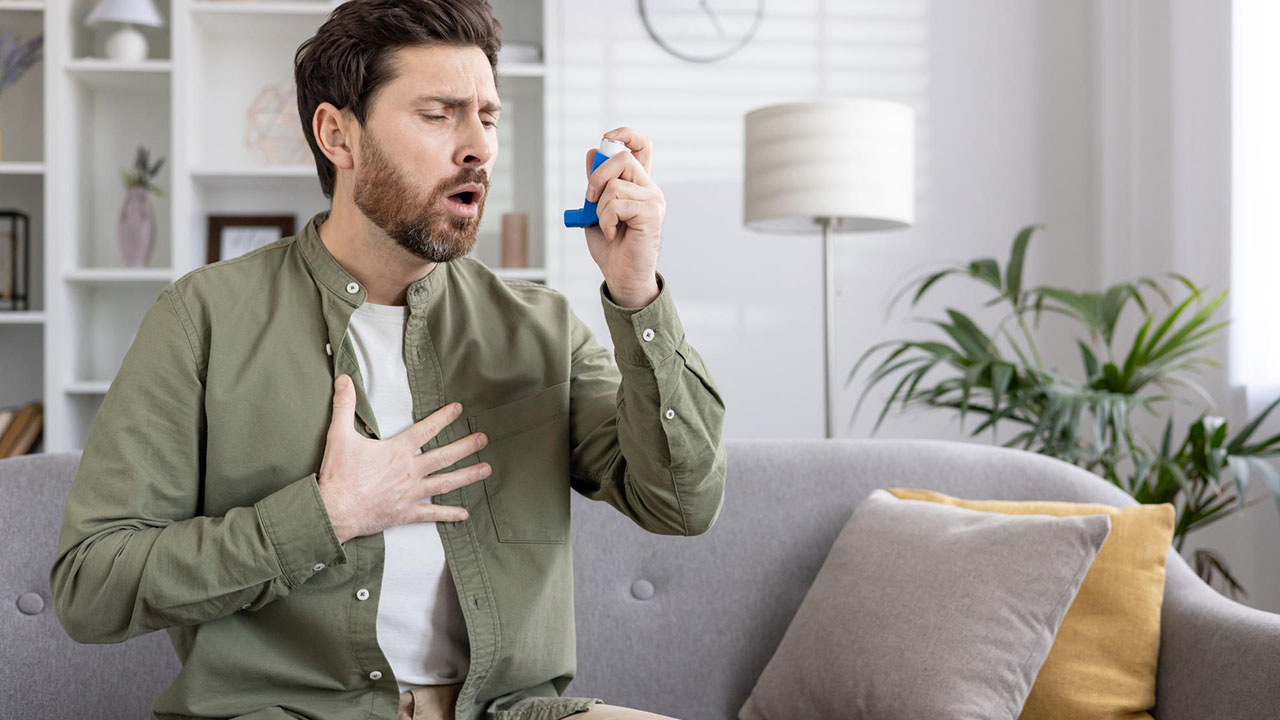
Inhaler techniques training is a structured educational programme that teaches patients how to use their inhaler devices correctly and effectively. Many people with asthma, COPD, or other respiratory conditions use inhalers to deliver medication directly to their lungs. However, studies show that up to 70–80% of patients do not use their inhalers correctly, leading to poor disease control, increased symptoms, and higher healthcare utilisation.
Proper inhaler technique ensures that medication reaches the airways where it is needed, rather than being deposited in the mouth or throat. This maximises therapeutic benefit, reduces side effects, and improves overall disease management. At Dr. Raju's Allergy Centre, we provide comprehensive inhaler technique training as an integral part of respiratory care.
Why is Inhaler Technique Important?
- Medication Delivery: Ensures medication reaches the lungs, not mouth or throat
- Disease Control: Improves symptom control and reduces exacerbations
- Cost-Effectiveness: Less waste and better value
- Reduced Side Effects: Minimises thrush, hoarseness, systemic absorption
- Emergency Preparedness: Correct technique can be life-saving during attacks
- Treatment Adherence: Improves confidence and adherence
- Better Outcomes: Improved lung function and quality of life
Common Inhaler Devices
1. Pressurised Metered-Dose Inhalers (pMDIs): Traditional "puffer" aerosol spray. Examples: Albuterol/salbutamol, beclomethasone, fluticasone, combination inhalers. Key Points: Shake well; exhale fully away; tight lip seal; actuate at start of slow deep inhalation; hold breath 5–10 sec; wait 30–60 sec between puffs.
2. Breath-Actuated Inhalers (BAIs): Release medication automatically when you inhale. Examples: Easi-Breathe, Autohaler. Key Points: Prime as directed; exhale away; inhale steadily and deeply; device releases automatically; hold breath 5–10 sec.
3. Dry Powder Inhalers (DPIs): Deliver dry powder; require rapid inhalation. Examples: Turbuhaler, Diskus/Accuhaler, Ellipta, HandiHaler, Breezhaler. Key Points: Do NOT exhale into device; exhale away; inhale RAPIDLY and DEEPLY; hold breath 5–10 sec.
4. Soft Mist Inhalers (SMIs): Slow-moving mist for easier coordination. Example: Respimat. Key Points: Prime and load; press button while inhaling SLOWLY and DEEPLY; hold breath 5–10 sec.
5. Spacer Devices: Attach to pMDIs to improve deposition. Key Points: Shake; actuate once into spacer; inhale slowly and deeply; clean monthly; do not rinse.
Common Inhaler Technique Errors
pMDI: Not shaking; poor coordination; inhaling too fast; stopping inhalation (cold Freon effect); not holding breath; multiple actuations before inhaling; not waiting between puffs.
DPI: Exhaling into device; inhaling too slowly; incorrect loading; tilting device; not holding breath.
Spacer: Not using spacer; multiple actuations before inhaling; inhaling before actuation; delay between actuation and inhalation; not cleaning; damaged spacer.
The Inhaler Techniques Training Process at Dr. Raju's Allergy Centre
Step 1 – Assessment: Device identification; technique observation; error identification; knowledge assessment; symptom correlation.
Step 2 – Personalised Education: Device-specific instruction; visual aids; written materials; rationale for each step; common pitfalls.
Step 3 – Hands-On Practice: Demonstration; guided practice; placebo devices; repetition; problem-solving.
Step 4 – Verification: Direct observation; teach-back; checklist; multiple attempts.
Step 5 – Follow-Up: Re-check at appointments; periodic review; new training if device changes; assessment if control deteriorates.
Special Considerations
Children: Age-appropriate instruction; spacers with masks; parent training; positive reinforcement; school staff training when needed. Elderly: Arthritis, vision, cognition; device selection; simplified instructions; caregiver involvement. Acute Attacks: Correct technique in emergencies; spacers; recognise when compromised; nebuliser backup. Multiple Devices: Train each separately; clear distinction; consistent routines; colour-coding.
Why Choose Dr. Raju's Allergy Centre for Inhaler Techniques Training?
- Specialised Expertise: Deep understanding of devices and respiratory physiology
- Individualised Approach: Tailored to your devices, abilities, learning style
- Demonstration Devices: Placebo inhalers for hands-on practice
- Child-Friendly: Gentle approach for paediatric patients
- Elderly Care: Consideration of age-related challenges
- Regular Reinforcement: Technique reviewed at every visit
- Family Involvement: Training for caregivers
- Improved Outcomes: Focus on better disease control
Consequences of Poor Inhaler Technique
Clinical: Inadequate control; more exacerbations; ED visits; hospitalisations; lung function decline; reduced quality of life; mortality risk. Economic: Wasted medication; higher costs; lost productivity. Psychological: Frustration; reduced confidence; poor adherence; anxiety.
Tips for Optimal Inhaler Use
Daily: Same time for preventers; visible location; diary/app; check dose counter. Technique: Shake pMDIs; use spacer when possible; exhale before inhaling; slow inhale for pMDI, rapid for DPI; hold breath 5–10 sec; wait 30–60 sec between puffs; rinse mouth after steroid. Maintenance: Clean mouthpiece weekly; wash spacer monthly; replace spacer every 6–12 months; check expiration.
Inhaler Technique Checklist
For pMDI (with spacer)
| Step | Correct Technique |
|---|---|
| 1 | Remove cap and check mouthpiece is clean |
| 2 | Shake inhaler well |
| 3 | Insert inhaler into spacer |
| 4 | Exhale fully away from spacer |
| 5 | Place mouthpiece in mouth, seal lips |
| 6 | Press canister once to actuate |
| 7 | Inhale slowly and deeply |
| 8 | Hold breath for 5–10 seconds |
| 9 | Exhale away from spacer |
| 10 | Wait 30–60 seconds before next puff |
| 11 | Rinse mouth after steroid use |
For DPI (Turbuhaler as example)
| Step | Correct Technique |
|---|---|
| 1 | Unscrew and lift cap |
| 2 | Hold upright, turn grip to load dose |
| 3 | Exhale fully AWAY from device |
| 4 | Place mouthpiece in mouth, seal lips |
| 5 | Inhale forcefully and deeply |
| 6 | Remove from mouth |
| 7 | Hold breath for 5–10 seconds |
| 8 | Exhale away from device |
| 9 | Replace cap |
| 10 | Rinse mouth after steroid use |
Frequently Asked Questions
How do I know if I'm using it correctly? Regular checks with your provider. Our training includes objective verification.
Why rinse mouth after steroid inhaler? Prevents thrush and hoarseness.
How often clean inhaler? Mouthpiece weekly; spacer monthly (mild detergent, air dry, do not rinse).
Spacer lifespan? Replace every 6–12 months or if damaged.
Use inhaler without spacer? Spacers improve deposition; use when possible, especially for children.
Can't coordinate press and inhale? Consider breath-actuated inhalers or spacer.
DPI empty? Most have dose counters; track doses otherwise.
Wait between puffs? Allows airways to open and improves penetration.
Travel? Carry in hand luggage with prescription labels.
Miss preventer dose? Take when remembered; don't double dose.
Impact of Correct Inhaler Technique
Studies show: up to 50% symptom reduction; 30–40% fewer exacerbations; fewer ED visits; lower medication costs; improved quality of life; reduced side effects.
"Inhaler technique is the bridge between prescribed treatment and actual treatment. A patient can have the most advanced medication available, but if it's not reaching the lungs where it needs to work, the prescription is essentially worthless. Taking just a few minutes to learn and practice correct technique can transform disease control and quality of life."
Ready to Master Your Inhaler Technique?
If you use inhalers for asthma, COPD, or another respiratory condition and want to ensure you're getting the full benefit of your medication, expert help is just a call away. Dr. Raju CH provides comprehensive inhaler technique training with personalised instruction and hands-on practice.
Email: info@drrajuchesthospital.com | Plot No. 10, Beside Vivid Diagnostics, Chandanagar, Hyderabad - 500050