
Dr. Raju's Allergy Centre &
Multispeciality Hospital

Contact Dermatitis
Best Contact Dermatitis Treatment in Hyderabad at Dr. Raju's Allergy Centre & Multispeciality Hospital
What is Contact Dermatitis?
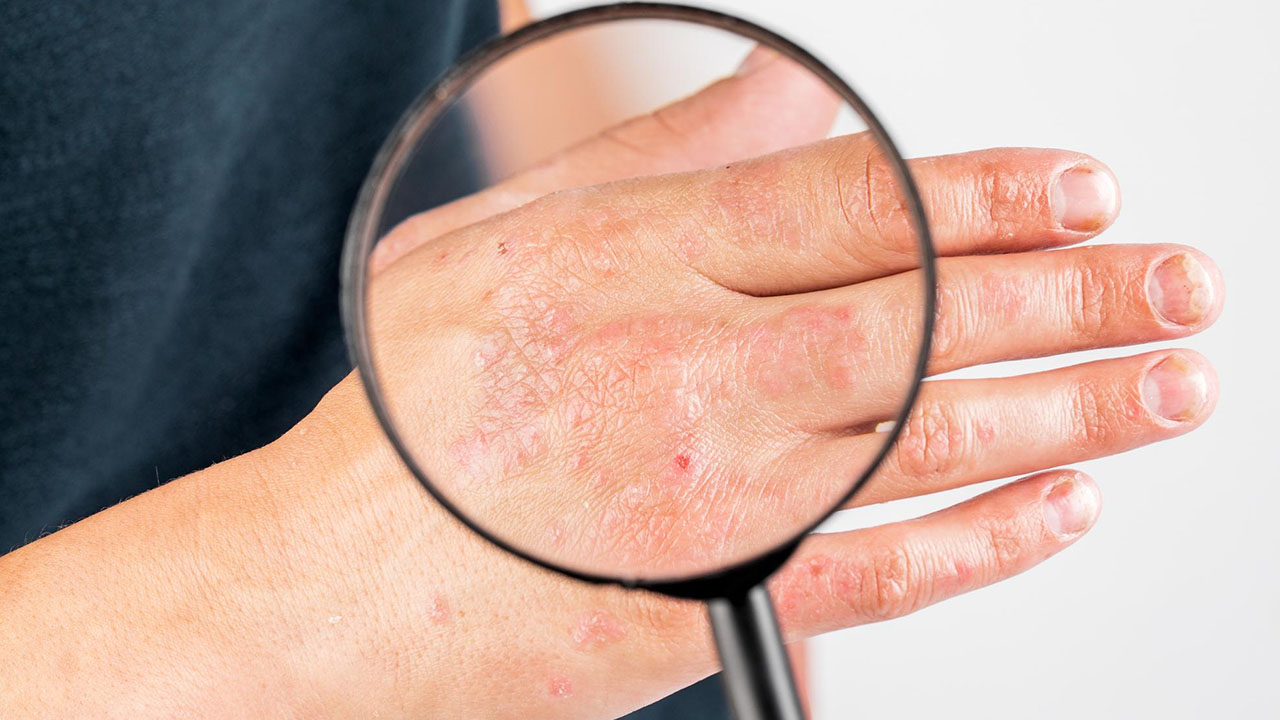
Contact dermatitis is an inflammatory skin condition caused by direct contact with a substance that irritates the skin or triggers an allergic reaction. It is one of the most common occupational and environmental skin disorders, affecting people of all ages across various professions and lifestyles.
Unlike atopic dermatitis (eczema), which is often linked to an inherited tendency toward allergies, contact dermatitis develops specifically at sites of exposure to external agents. The condition manifests as a red, itchy rash that is typically confined to the area that came into contact with the offending substance. With continued exposure or without proper treatment, it can become chronic, leading to thickened, leathery skin and significant discomfort.
Contact dermatitis is broadly classified into two main types: irritant contact dermatitis and allergic contact dermatitis. Distinguishing between these types is essential for effective management and prevention.
Types of Contact Dermatitis
1. Irritant Contact Dermatitis
This is the most common form, accounting for approximately 80% of all contact dermatitis cases. It occurs when a substance directly damages the outer layer of skin without involving the immune system. The reaction typically appears immediately or within hours of exposure.
Common Irritants Include:
- Harsh soaps and detergents
- Cleaning products (bleach, floor cleaners)
- Solvents and chemicals
- Acids and alkalis
- Frequent hand washing or wet work (hairdressers, healthcare workers, food handlers)
- Friction or abrasion
- Extreme temperatures
- Cement (in construction workers)
2. Allergic Contact Dermatitis
This type involves the immune system and occurs only in individuals who have developed an allergy to a specific substance. The first exposure sensitises the immune system, and subsequent exposures trigger a delayed allergic reaction, typically appearing 24 to 72 hours after contact.
Common Allergens Include:
- Nickel (in jewellery, belt buckles, watches, buttons)
- Fragrances (in perfumes, cosmetics, soaps, lotions)
- Preservatives (in personal care products)
- Poison ivy, oak, and sumac (plants containing urushiol)
- Latex (in gloves, medical devices)
- Hair dyes (paraphenylenediamine)
- Rubber accelerators (in shoes, gloves)
- Topical antibiotics (neomycin, bacitracin)
- Formaldehyde (in clothing, cosmetics)
- Sunscreens and cosmetics ingredients
Common Symptoms & How to Recognise Contact Dermatitis
Symptoms of contact dermatitis vary depending on the type, severity, and duration of exposure:
Acute Contact Dermatitis (Recent Exposure):
- Redness (Erythema): Affected skin appears pink or red
- Itching or Burning Sensation: Often intense, sometimes painful
- Dry, Scaly, or Cracked Skin: Surface may become rough and flaky
- Blisters or Vesicles: Small fluid-filled bumps that may ooze and crust
- Swelling (Edema): Inflamed area may appear puffy
- Warmth: Affected skin feels warm to touch
Chronic Contact Dermatitis (Repeated or Long-Term Exposure):
- Lichenification: Skin becomes thickened and leathery from chronic scratching or rubbing
- Fissuring: Deep, painful cracks in the skin
- Hyperpigmentation: Darkening of affected areas
- Persistent Dryness: Skin remains rough and scaly despite moisturising
Key Feature: The rash is typically localised to the area of contact with the offending substance. For example: earrings, necklace, or watch → rash on earlobes, neck, or wrist; gloves → rash on hands; shoe allergy → rash on feet; poison ivy → linear streaks; hair dye → rash on scalp, ears, face, or neck.
How is Contact Dermatitis Diagnosed?
Accurate diagnosis of contact dermatitis involves identifying the offending substance and distinguishing it from other skin conditions:
- Medical History Review: Detailed discussion about occupation, hobbies, personal care products, jewellery, medications, and timing of rash appearance in relation to exposures
- Physical Examination: Careful examination of rash location, pattern, and appearance to identify possible culprits
- Patch Testing (Gold Standard for Allergic Contact Dermatitis): Small amounts of potential allergens are applied to the skin under adhesive patches, typically on the back. Patches are removed after 48 hours and read at 72-96 hours for delayed allergic reactions. This test identifies specific allergens responsible for the reaction
- Skin Biopsy (rarely needed): In atypical cases, to rule out other conditions like psoriasis or fungal infections
Differentiating Irritant vs. Allergic Contact Dermatitis:
| Feature | Irritant Contact Dermatitis | Allergic Contact Dermatitis |
|---|---|---|
| Onset | Immediate to hours | Delayed (24-72 hours after exposure) |
| Mechanism | Direct skin damage | Immune-mediated (Type IV hypersensitivity) |
| Previous Exposure | May occur on first contact | Requires prior sensitisation |
| Patch Test | Negative | Positive for specific allergen |
| Dose-Response | Reaction proportional to concentration/duration | Reaction may occur with very small amounts |
| Population Affected | Anyone with sufficient exposure | Only sensitised individuals |
Why Choose Dr. Raju's Allergy Centre for Contact Dermatitis Treatment?
With over 18 years of specialised experience in allergy care, Dr. Raju CH provides comprehensive, patient-centred management for contact dermatitis. Here's why patients trust us:
- Specialised Expertise: Deep understanding of both irritant and allergic contact dermatitis, including complex occupational and environmental cases
- Advanced Diagnostic Capabilities: Comprehensive patch testing facilities to identify specific allergens causing your reaction
- Personalised Treatment Plans: Customised approaches based on identified triggers, severity, and individual lifestyle factors
- Occupational Dermatology Expertise: Experience managing work-related contact dermatitis, including documentation for occupational health requirements
- Patient Education: We empower you with knowledge about avoiding identified triggers, selecting safe alternative products, and protecting your skin
- Holistic Care: Addressing associated conditions and providing long-term management strategies to prevent recurrence
- Detailed Product Guidance: Practical advice on reading ingredient labels, finding hypoallergenic alternatives, and modifying daily routines
Treatment Options Available
Treatment for contact dermatitis focuses on relieving symptoms, healing the skin, and preventing future reactions:
1. Identification and Avoidance of Culprit Substance (Most Important)
- Allergen/Irritant Avoidance: Clear guidance on avoiding identified triggers based on patch test results or history
- Product Substitution: Recommendations for safe alternative products (soaps, moisturisers, cosmetics, cleaning agents)
- Workplace Modifications: Advice on protective equipment, work practice changes, or job modifications for occupational dermatitis
- Environmental Controls: Identifying and eliminating sources of exposure at home
2. Medications for Active Dermatitis
- Topical Corticosteroids: First-line treatment to reduce inflammation and itching. Potency selected based on location and severity
- Topical Calcineurin Inhibitors: (Tacrolimus, pimecrolimus) for sensitive areas like face and eyelids, or for long-term maintenance
- Oral Corticosteroids (short-term): For severe, widespread reactions
- Antihistamines: Oral antihistamines to reduce itching, especially sedating ones at night for sleep improvement
- Topical Antibiotics: If secondary bacterial infection develops
3. Skin Care and Barrier Repair
- Moisturisers (Emollients): Regular application of thick, fragrance-free creams or ointments to repair skin barrier
- Gentle Cleansing: Using mild, soap-free cleansers; avoiding harsh soaps and hot water
- Wet Dressings: For acute weeping dermatitis, to soothe and promote healing
- Barrier Creams: Protective creams for unavoidable exposures (occupational setting)
4. Prevention Strategies
- Protective Gloves: Appropriate glove selection (vinyl, nitrile for latex allergy) and proper use
- Skin Protection at Work: Education on workplace safety practices
- Regular Self-Monitoring: Early recognition of recurrent reactions
- Medical ID: For severe allergies, consider medical alert jewellery
5. Long-Term Management
- Regular follow-up to monitor progress and adjust treatment
- Repeat patch testing if new potential exposures are introduced
- Psychological support if chronic dermatitis affects quality of life
"Contact dermatitis is a preventable condition. Once the offending substance is identified through careful history and patch testing, most patients can achieve complete clearance by avoiding that trigger. Even in chronic cases where complete avoidance isn't possible, proper skin protection and treatment can control symptoms effectively."
Ready to Find Relief from Persistent Skin Rash?
If you suffer from recurrent, localised rashes that you suspect may be related to something you touch at home or work, expert help is just a call away. Dr. Raju CH provides comprehensive evaluation, including patch testing, and personalised treatment plans to help you achieve lasting relief from contact dermatitis.
Email: info@drrajuchesthospital.com | Plot No. 10, Beside Vivid Diagnostics, Chandanagar, Hyderabad - 500050