
Dr. Raju's Allergy Centre &
Multispeciality Hospital

Atopic Dermatitis (Eczema)
Best Atopic Dermatitis (Eczema) Treatment in Hyderabad at Dr. Raju's Allergy Centre & Multispeciality Hospital
What is Atopic Dermatitis (Eczema)?
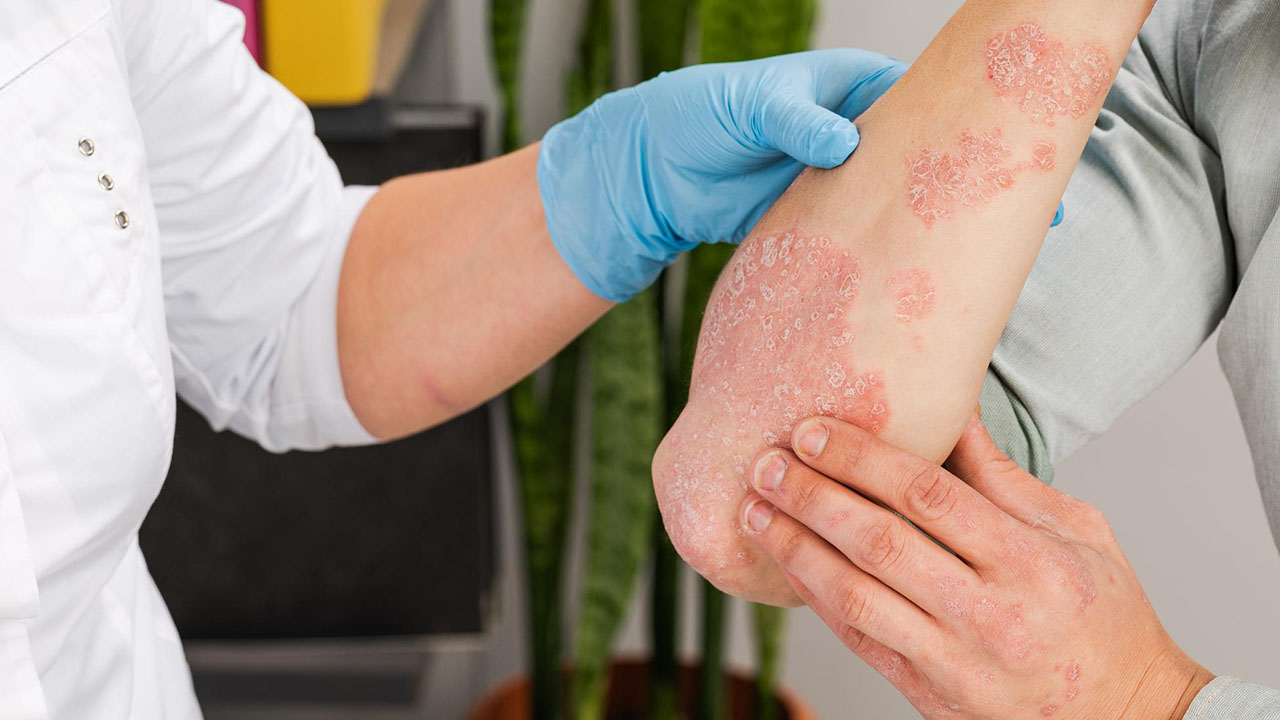
Atopic dermatitis, commonly known as eczema, is a chronic inflammatory skin condition characterised by dry, itchy, and inflamed skin. It is one of the most common allergic skin disorders and often appears in early childhood, though it can affect people of all ages. The term "atopic" refers to a tendency to develop allergic conditions such as asthma, hay fever, and eczema, which often run in families.
In atopic dermatitis, the skin's natural barrier function is compromised, allowing moisture to escape and irritants, allergens, and microbes to enter more easily. This triggers an overactive immune response, leading to inflammation, intense itching, and the characteristic red, scaly patches. The condition follows a relapsing and remitting course, with flare-ups alternating with periods of remission.
Atopic dermatitis is not contagious. It significantly impacts quality of life due to persistent itching, sleep disturbance, and visible skin changes that can cause emotional distress and social challenges.
Common Symptoms & How to Recognise Atopic Dermatitis
Symptoms of atopic dermatitis vary with age and can range from mild to severe. Common signs include:
- Intense Itching: Often severe, especially at night, leading to scratching that worsens the rash
- Dry, Sensitive Skin: Skin appears dry, rough, and may feel tight or uncomfortable
- Red to Brownish-Grey Patches: Inflamed areas of skin, typically on hands, feet, ankles, wrists, neck, upper chest, eyelids, inside the bend of elbows and knees (flexural areas)
- Small, Raised Bumps: May leak fluid and form crusts when scratched
- Thickened, Cracked, or Scaly Skin: Chronic scratching leads to lichenification (thickening of skin)
- Raw, Sensitive Skin: From scratching, increasing risk of infection
Age-Specific Patterns:
- Infants: Rash often appears on face, scalp, and extensor surfaces (outside of arms and legs)
- Children: Rash commonly affects flexural areas (inside elbows, behind knees), neck, wrists, and ankles
- Adults: Rash may localise to hands, eyelids, genitals, or generalised areas; dry skin and intense itching persist
Flare-ups can be triggered by various factors including irritants (soaps, detergents, wool), allergens (dust mites, pollen, pet dander), climate changes (heat, cold, low humidity), stress, and certain foods.
How is Atopic Dermatitis Diagnosed?
Diagnosis of atopic dermatitis is primarily based on clinical examination and medical history. There is no single test to confirm the condition, but evaluation typically includes:
- Medical History Review: Detailed discussion about onset, duration, pattern of symptoms, family history of atopic conditions (eczema, asthma, allergic rhinitis), and potential triggers
- Physical Examination: Careful examination of skin to assess the location, appearance, and extent of rash
- Allergy Testing: Skin prick tests or specific IgE blood tests may be recommended to identify potential allergic triggers that worsen eczema, especially if food allergies or environmental allergens are suspected
- Skin Biopsy (rarely needed): In atypical cases, a small skin sample may be taken to rule out other skin conditions
Diagnostic criteria typically include persistent itchy skin plus three or more of the following: history of flexural involvement, personal or family history of atopic disease, generally dry skin in the past year, and onset before age two.
Why Choose Dr. Raju's Allergy Centre for Atopic Dermatitis Treatment?
With over 18 years of specialised experience in allergy care, Dr. Raju CH provides comprehensive, patient-centred management for atopic dermatitis. Here's why patients trust us:
- Specialised Expertise: Deep understanding of the allergic components driving eczema, ensuring treatment addresses root causes, not just surface symptoms
- Comprehensive Diagnostics: Advanced allergy testing to identify triggers that may be contributing to flare-ups, including food allergens and environmental factors
- Personalised Treatment Plans: Customised approaches combining medical management, trigger avoidance, and skin care routines tailored to each patient's age, severity, and lifestyle
- Holistic Care: Recognition that atopic dermatitis often coexists with asthma, allergic rhinitis, or food allergies, and we address these together for better outcomes
- Patient & Family Education: We empower patients and caregivers with knowledge about proper skin care, trigger management, and early recognition of flare-ups and infections
- Long-Term Management Focus: Chronic conditions require ongoing support. We provide regular follow-up and adjust treatment plans as needed to maintain control and prevent complications
Treatment Options Available
Treatment for atopic dermatitis aims to heal the skin, reduce itching, prevent flare-ups, and minimise infection risk. Our comprehensive approach includes:
1. Skin Care and Moisturisation (Foundation of Treatment)
- Regular Moisturising: Daily application of emollients (moisturisers) to repair the skin barrier and prevent dryness. Thick creams or ointments are preferred over lotions
- Bathing Practices: Lukewarm baths with gentle, fragrance-free cleansers followed by immediate moisturiser application to lock in moisture
- Avoiding Irritants: Using mild, fragrance-free soaps, detergents, and skincare products; wearing soft, breathable fabrics like cotton
2. Medications
- Topical Corticosteroids: First-line treatment for flare-ups to reduce inflammation and itching. Different potencies are prescribed based on age, location, and severity
- Topical Calcineurin Inhibitors: Non-steroid creams (tacrolimus, pimecrolimus) for sensitive areas like face and eyelids, or for long-term maintenance
- Antihistamines: Oral antihistamines, especially sedating ones at night, to reduce itching and improve sleep
- Oral Corticosteroids (short-term): For severe flare-ups, but avoided long-term due to side effects
- Biologic Medications (for severe cases): Targeted therapy (dupilumab) that blocks specific immune pathways involved in atopic dermatitis
3. Infection Management
- Antibiotics: For bacterial skin infections (commonly Staphylococcus aureus) that occur due to scratching
- Antiviral Medications: For eczema herpeticum, a serious viral infection requiring prompt treatment
4. Trigger Identification and Avoidance
- Allergen Avoidance: Practical guidance on reducing exposure to identified triggers such as dust mites, pollen, pet dander, or specific foods
- Dietary Management: If food allergies are confirmed, elimination diets under professional guidance
5. Wet Wrap Therapy (for severe cases)
Application of topical medications and moisturisers followed by wrapping with wet bandages to enhance absorption and soothe skin.
6. Behavioural and Lifestyle Support
- Stress Management: Stress is a known trigger; relaxation techniques and counselling may help
- Scratch Control: Keeping nails short, using cold compresses, and distraction techniques to reduce scratching
"Atopic dermatitis is more than just dry skin. It is a complex condition with significant physical and emotional impact. Successful management requires a comprehensive approach that goes beyond creams and ointments to address triggers, skin barrier repair, and patient education."
Ready to Find Relief from Persistent Eczema?
If you or your child suffers from chronic itching, dry skin, and recurrent eczema flare-ups that affect daily life and sleep, expert help is just a call away. Dr. Raju CH provides comprehensive evaluation and personalised treatment plans to help you achieve lasting control over atopic dermatitis.
Email: info@drrajuchesthospital.com | Plot No. 10, Beside Vivid Diagnostics, Chandanagar, Hyderabad - 500050